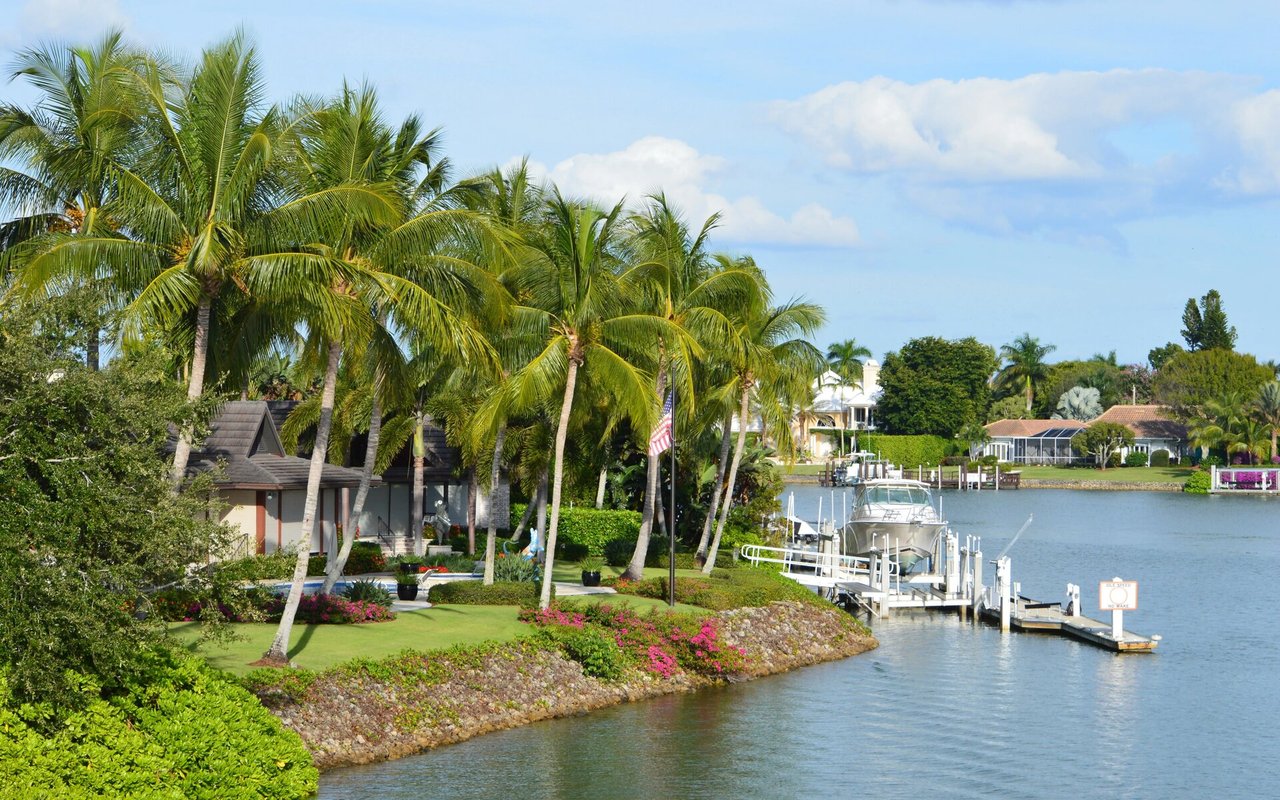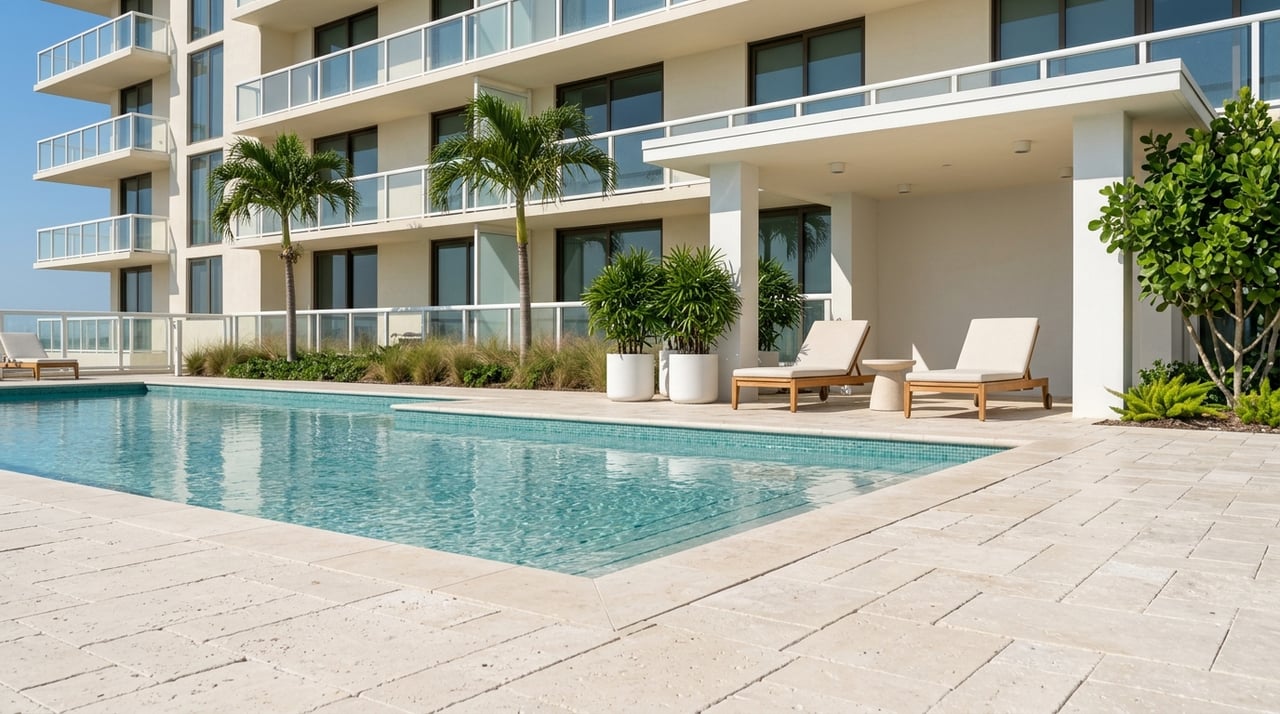
If you are searching for a gulf-front condo in Park Shore, the view is only the beginning. In this part of Naples, two buildings can sit in the same neighborhood and offer very different beach access, boating options, and ownership costs. If you want to buy with confidence, it helps to know what to compare before you fall in love with a balcony. Let’s dive in.
Why Park Shore Stands Out
Park Shore has deep roots in Naples waterfront living. According to the Park Shore Association, it began in 1964 as a 760-acre development and was the first planned unit development in Florida. Today, the neighborhood includes more than 600 single-family homes and 3,590 units across 25 high-rise condos, plus several mid-rise buildings.
That scale is part of Park Shore’s appeal, but it also means you should not treat every condo as interchangeable. Some residences are gulf-front, some face Venetian Bay, and others sit on the mainland side of the neighborhood. For a buyer focused on the beachfront lifestyle, the exact building location can shape your views, your access, and your long-term ownership experience.
Start With The Exact Building Position
One of the smartest first steps is to confirm where the condo sits within Park Shore’s layout. The Park Shore Association overview notes that gulf-side towers are located west of Gulf Shore Boulevard, while other properties may be bay-facing or farther inland.
That matters because “Park Shore condo” can mean different things in practice. A gulf-front tower may offer direct beach adjacency and broad water views, while a bay-facing building may have a different orientation and different access patterns. Before you compare finishes or floor plans, make sure you are comparing the same type of waterfront experience.
Gulf-front does not mean identical access
Even among gulf-side buildings, access can vary. Your day-to-day experience may depend on whether the building connects to a private beach park, a public easement, or a condo-specific walkway.
This is why a careful property search in Park Shore should focus on rights and logistics, not only aesthetics. A beautiful unit in the wrong building for your lifestyle can feel like a compromise once you move in.
Understand Beach Access Before You Buy
Beach access is one of the most important details to verify in Park Shore. The Park Shore Association beach park information explains that the private beach park is 200 feet wide and spans 2.7 acres, and entry requires an active Park Shore pass whether you arrive by car, bike, or on foot.
The same rules explain that the sidewalk from the parking lot through the park provides beach access. They also note that the north-south sidewalk along the beach is maintained by adjacent condominium owners and may be used only by those owners. In short, you should never assume every building has the same route to the sand.
Public options for guests and visitors
If you expect visiting friends or family, nearby public access matters too. Collier County’s North Gulfshore Beach Access offers 38 parking spaces and is a pay-to-park site without a resident permit.
Another nearby option is Clam Pass Park, which the same county source notes has 171 public parking spaces and a three-quarter-mile boardwalk to the beach. These alternatives can be helpful, especially when your guests need a simple public entry point.
A key point for buyers
The Park Shore development plan also identifies a 20-foot public beach access easement at the north end of Unit 5, improved with a pedestrian beach walk that connects to off-street parking on Gulf Shore Boulevard. That detail reinforces an important point: the access story changes from one location to another.
If easy beach entry is central to your lifestyle, ask exactly how owners and guests reach the beach from that building. It is a small question that can make a big difference.
Review Coastal Work And Shoreline Changes
Buying gulf-front property also means understanding that the shoreline is actively managed. According to Collier County’s January 2025 Park Shore beach renourishment release, the project was designed to restore the beach to an 85-foot width from the dune line to mean high water after erosion and the 2024 storms Debby, Helene, and Milton.
The Park Shore Association later stated that county dune plantings were added in front of the beach park in May 2025. The association has also described a future beach-park concept with an elevated berm and promenade intended to improve storm resilience.
What this means for your ownership experience
The coastal setting in Park Shore can be exceptional, but it is not static. Depending on timing, you may see dune work, plantings, renourishment activity, or future promenade improvements nearby.
That does not make gulf-front ownership less appealing. It simply means your due diligence should include current and planned shoreline work so you know what to expect now and over time.
Condo Documents Matter More Than Ever
In older luxury towers, building financials and inspections can matter just as much as the view. Florida law now places major importance on reserve funding and structural review for condominium buildings.
Under Florida Statute 718.112, residential condominium associations with buildings that are three habitable stories or higher must complete a structural integrity reserve study at least every 10 years. The statute covers core components such as the roof, structure, fireproofing and fire protection systems, plumbing, electrical systems, waterproofing and exterior painting, windows and exterior doors, plus other items over $25,000 that affect those components.
Reserve funding is not a minor issue
For budgets adopted on or after December 31, 2024, unit-owner-controlled associations generally may not vote to provide no reserves or less than the required reserves for those items. The law does allow a limited temporary pause in reserve contributions for up to two consecutive annual budgets after a recent milestone inspection, but only to fund inspection-driven repairs.
For you as a buyer, this means reserve schedules and funding plans deserve close review. A well-documented association can tell you a great deal about how the building is being managed.
Milestone inspections are especially relevant in Park Shore
The milestone-inspection rules are also important in this neighborhood. Under Florida Statute 553.899, buildings that are three habitable stories or more must complete a milestone inspection by the year the building reaches age 30, and local officials may require the first inspection at age 25 in coastal or salt-water environments.
Because Park Shore dates back to the 1960s, many gulf-front towers are old enough for these requirements to be highly relevant. Before you make an offer, request the current milestone inspection summary, the full structural integrity reserve study, the reserve schedule, and any recent special-assessment history.
Boating Rights Are Building-Specific
If you want both beach and boating, do not assume they come together automatically. The Park Shore development plan for boat slips states that residential slips, other than those tied to commercial blocks, are limited to residents of Units 1, 2, 3, 4, and 5.
The same plan also says slip leases have a minimum three-month term, subleases are prohibited, and overnight lodging on boats is not allowed. So even if a building is near the water, the actual boating rights may be very specific.
Questions to ask about slips
If boating is part of your search, verify:
- Whether the unit includes deeded slip rights
- Whether slips are leased instead of deeded
- Whether there is a waitlist for access
- Whether transfer rules apply when ownership changes
- Whether any association restrictions affect leasing or use
A building’s boating setup can shape convenience, value, and flexibility. It is worth confirming early.
Walkability Adds To The Appeal
Park Shore is not only about the beach. Lifestyle and convenience are part of what draws buyers here.
The official Venetian Village site describes roughly 40 unique boutiques and six waterfront restaurants at 4200 Gulf Shore Boulevard North. The Park Shore Association also points to nearby destinations including Waterside Shops and Artis—Naples, which helps explain why many buyers see Park Shore as a compact coastal setting with shopping, dining, and cultural options close by.
For many condo buyers, that walkable mix is a major advantage. You can enjoy a waterfront setting while staying connected to daily conveniences and destination amenities.
Smart Priorities For Your Search
When you buy a gulf-front condo in Park Shore, the most important filters are often not the obvious ones. Bedroom count and interior finishes matter, but they should come after the fundamentals.
Focus first on these priorities:
- Exact building location and orientation
- Type of beach access available to owners
- Guest access and nearby public parking options
- Current milestone inspection and reserve documents
- Special-assessment history and capital planning
- Boating rights, if slips matter to you
- Any nearby shoreline or dune work underway or planned
This approach helps you compare properties based on how they actually live, not just how they photograph.
Buying With Clarity In Park Shore
A gulf-front condo in Park Shore can offer a remarkable Naples lifestyle, but the best purchase decisions come from precise due diligence. In this market, small differences between buildings can affect beach access, boating convenience, future costs, and day-to-day enjoyment.
If you want a tailored, discreet approach to evaluating Park Shore opportunities, Jessica Higdon (FL) offers private consultation and concierge-level guidance to help you search with clarity.
FAQs
What should you verify before buying a gulf-front condo in Park Shore?
- Confirm the exact building location, beach access route, milestone inspection status, reserve funding, and any special-assessment history.
How does beach access work for Park Shore condo owners?
- Beach access can come through the private Park Shore beach park, a public easement, or a building-specific walkway, so you should verify the exact access tied to the condo.
Why are reserve studies important for Park Shore condos?
- Reserve studies help show whether the association is planning for major building components and future expenses, which is especially important in older high-rise buildings.
Do all Park Shore waterfront condos include boat slip access?
- No. Boat slip rights are building-specific and may involve deeded rights, lease options, waitlists, or no access at all.
Is shoreline work normal near gulf-front condos in Park Shore?
- Yes. Beach renourishment, dune plantings, and other resilience projects are part of the ownership landscape in this coastal area.