What does a normal Tuesday look like when the Gulf is your backyard? If you are picturing sunrise sand, a midday boat ride, and a sunset at the pier, you are on the right track. Moving to Naples is as much about the rhythm of daily life as it is about beautiful real estate. In this guide, you will see how coastal living in Naples actually feels, plus the practical details that help you plan with confidence. Let’s dive in.
Morning rhythm: sand and sunrise
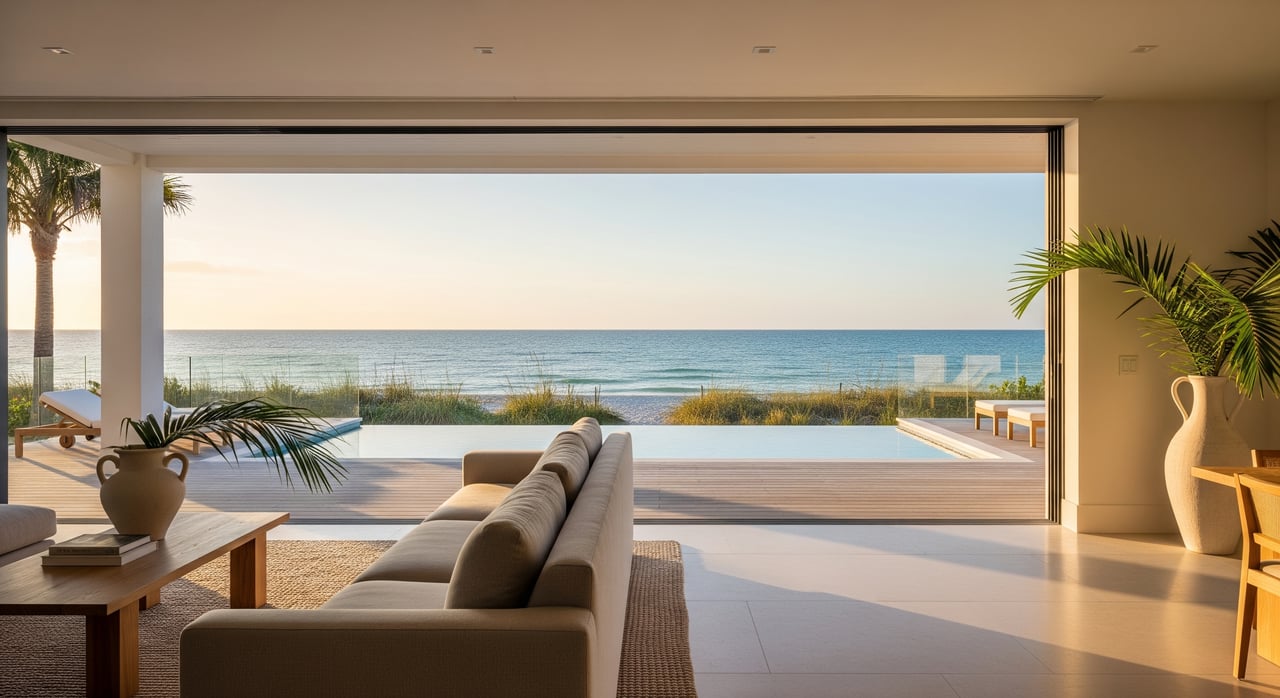
You can start your day with soft white sand underfoot and the sound of gentle Gulf waves. Naples Pier and the downtown beach offer easy access for a quiet walk at dawn, a quick swim, or a bit of pier fishing as the sun comes up. If you prefer a wider shoreline, Vanderbilt Beach delivers a classic resort feel with broad views and convenient access.
For nature-forward mornings, Clam Pass Park and Delnor-Wiggins Pass State Park bring you closer to mangroves, tidal estuaries, and quieter stretches of coast. Facilities and lifeguard coverage vary by park, so you will get to know your favorite access points over time. During sea turtle nesting season, typically May 1 to October 31, residents follow local lighting and beach-use rules to protect hatchlings, especially at night.
Midday on the water
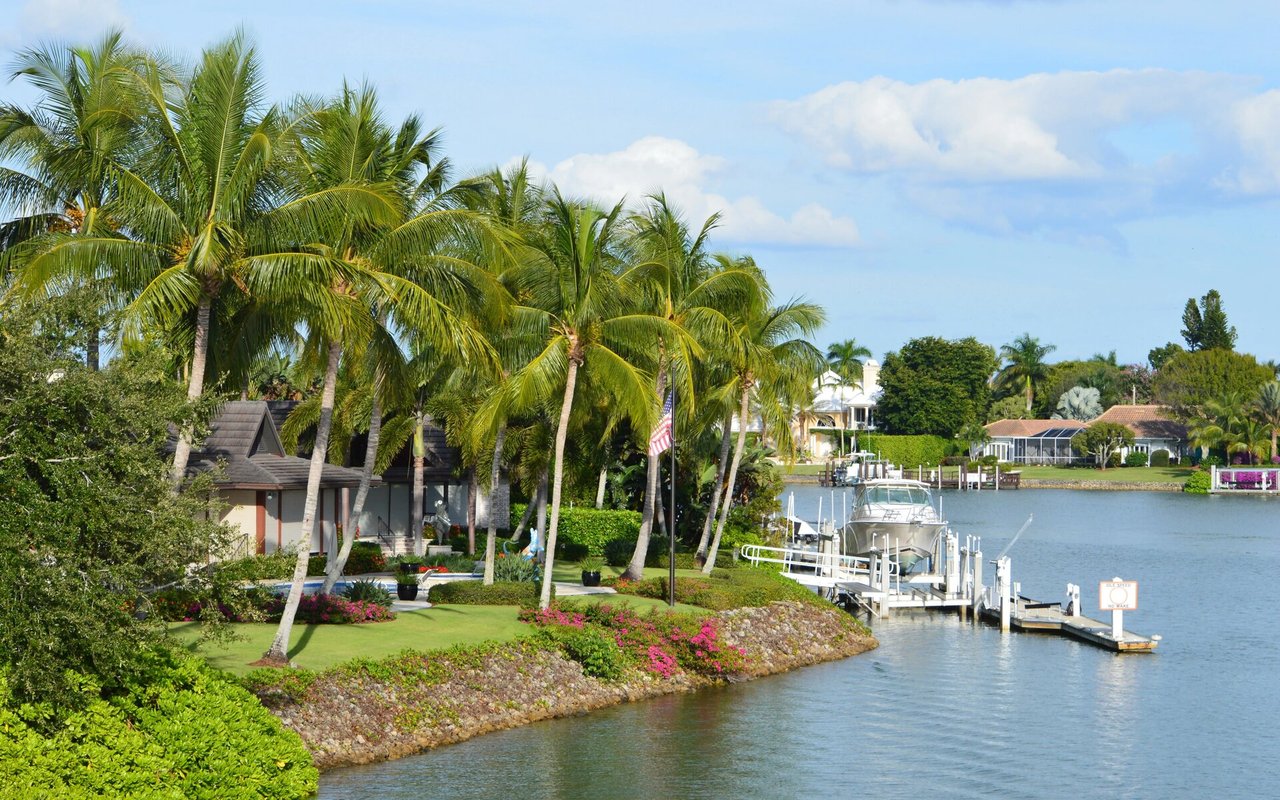
Naples is a boating town at heart. Naples Bay and Gordon Pass offer quick routes to the Gulf, which makes weekend outings and weekday escapes easy. You will find inshore flats for fishing, backcountry trips into the Ten Thousand Islands, and offshore runs to nearby reefs. Sunset cruises, shelling trips, and casual rides to Marco Island are part of the local routine.
If boating is part of your lifestyle, you will appreciate the area’s mix of public ramps, private marinas, and yacht clubs. Dockage and deep-water access are premium home features, and navigation here rewards local knowledge since tidal currents and shallow zones can change quickly. Boaters follow Florida rules and marina guidelines, and many owners work with local captains or marine surveyors when they are new to these waters.
Food, markets, and daily convenience
Daily life here leans into fresh Gulf seafood and relaxed elegance. Downtown’s 5th Avenue South and 3rd Street South cluster fine dining, cafes, and galleries, so you can walk to dinner after a beach day. Waterfront spots around Tin City and the marinas keep you close to the water for lunch or sunset bites.
You will have full-service supermarkets and specialty markets for everyday needs, plus seasonal farmers’ markets and seafood counters when the local catch is in. Outside the downtown core, most errands are car-based, which is typical across Collier County. You can stroll between shops in Old Naples, then drive a few minutes to reach larger stores and services.
Arts and recreation beyond the beach
Naples’ cultural calendar is a year-round draw. Artis—Naples anchors the scene with the Naples Philharmonic and The Baker Museum, and smaller galleries host openings and events throughout the season. Golf, tennis, and pickleball are part of everyday life at private and semi-private clubs across the area.
When you want time in nature, you can paddle through mangroves, spot shorebirds along preserves, or plan a day trip toward the Everglades and the Ten Thousand Islands. The winter season brings a full lineup of concerts, art festivals, wine events, and charity galas, so your evenings can be as lively or low-key as you like.
Seasonality shapes the calendar
Naples comes alive from roughly November through April when seasonal residents arrive and visitors fill the sidewalks. Restaurants are busier, event calendars expand, and traffic increases, especially near the beach and downtown. Many residents plan dinner reservations and errands with this in mind.
Summer is quieter, warmer, and more relaxed. You will see afternoon thunderstorms more often and shorter hours at some businesses. Many locals enjoy easy access to beaches and restaurants in the off-season, then embrace the energy of winter when the town hums with activity.
Weather, storms, and preparedness
The climate is tropical to subtropical, which means mild winters and hot, humid summers. Hurricane season runs from June 1 to November 30, and residents prepare accordingly. Impact windows or shutters, a thoughtful generator plan, and clear evacuation routes are common parts of home readiness.
Longer-term, sea-level rise and periodic coastal flooding are part of regional planning. Local building codes and resilience efforts continue to evolve after major storms. Most buyers review flood zones, elevation, and recent code updates as part of due diligence.
Here is a simple home readiness checklist:
- Review your property’s flood zone and elevation.
- Confirm storm protections such as impact glass or shutters.
- Map evacuation routes and plan for pets and medications.
- Consider backup power and elevated placement for mechanicals.
- Keep seasonal supplies on hand before June.
Insurance, taxes, and short-term rentals
Florida’s homeowners insurance market is evolving, and premiums vary by location and property features. Wind coverage and flood insurance are separate. Lenders typically require flood insurance when a property lies within a mapped flood zone.
Florida has no state income tax, but you will pay property taxes and local assessments. If this is your primary residence, the homestead exemption and Save Our Homes cap can reduce the tax burden. Short-term rentals are regulated in both Collier County and the City of Naples, and permitting rules apply, which matters if you plan to rent out your property.
Getting around and regional access
Naples is mostly car-oriented, with limited public transit across the county. The most walkable zones are in Old Naples around 5th Avenue South and 3rd Street South. For flights, Southwest Florida International Airport in Fort Myers is the primary commercial hub, with a typical drive of roughly 30 to 45 minutes depending on where you live.
For broader travel, Miami and Fort Lauderdale are reachable by car. Drive times vary with traffic and weather, so plan accordingly for longer trips.
Healthcare, schools, and essential services
Multiple hospitals and specialty medical centers serve Naples and greater Collier County. Access to healthcare is a key quality-of-life benefit for many full-time residents and seasonal owners. Families use the Collier County Public Schools system for school zones and explore private options as needed.
When you are narrowing your search, it helps to confirm proximity to preferred healthcare providers, routines like school drop-off, and everyday services. This is where local guidance saves time.
Where coastal luxury lives
Naples offers several distinct ways to live by the water. Coastal enclaves such as Aqualane Shores, Port Royal, and Old Naples deliver a classic beach-and-boating lifestyle, with custom estates, private docks, and immediate access to the Gulf. If you favor a walkable ambiance over a private slip, downtown and the 5th Avenue and 3rd Street corridor offer high-end condos and townhomes near the beach.
Marina-front and boating-focused neighborhoods are defined by dockage, slip size, and quick routes to Gordon Pass. Buyers who prioritize boating look closely at bridge clearances, water depth, and marina options nearby. Gated golf and country-club communities mix social calendars, wellness facilities, and championship courses, while staying a short drive from the coast.
Resort-style high-rise living adds another layer to the market. Concierge services, valet, spa-quality fitness centers, and private pools make lock-and-go living simple. Across these settings, luxury features often include private beach access, deep-water slips, Gulf views with sunset exposure, elevated construction, and membership clubs.
Quick checklist for your home search
- Gulf and pass access that fits your boating goals.
- Dock size, depth, and fixed-bridge rules.
- Elevation, storm protections, and recent code features.
- Insurance needs, flood zone, and coverage options.
- HOA guidelines, rental permitting, and pet policies.
- Walkability to beach, dining, and cultural venues.
- Drive time to RSW and essential services.
Make Naples your everyday
A typical day here can be as active or as relaxed as you choose. Morning coffee after a beach walk, a midday boat run or a round of golf, and an evening performance or a quiet sunset at the pier. The result is a lifestyle that feels effortless and refined.
If you are ready to translate that vision into a property search, our team is here to guide you with discretion and precision. From marina-front estates to walkable beachfront condos, we help you identify the right fit and navigate every detail with care. Request a private consultation with Jessica Higdon (FL).
FAQs
What is daily beach life like in Naples, including access and seasonal rules?
- Popular spots include Naples Pier, Vanderbilt Beach, Clam Pass Park, and Delnor-Wiggins Pass State Park. Facilities and parking vary by location, and sea turtle nesting season from May 1 to October 31 brings nighttime lighting rules and protection measures.
How does hurricane season affect day-to-day life for residents?
- Hurricane season runs June 1 to November 30, so residents prepare with shutters or impact glass, backup power plans, supply kits, and clear evacuation routes while monitoring local advisories during storms.
Is Naples walkable or do I need a car?
- Old Naples around 5th Avenue South and 3rd Street South is walkable for dining, shopping, and beach access, while most neighborhoods across Collier County are car-oriented with limited public transit.
What should boating-focused buyers consider when choosing a home?
- Focus on dock size and depth, fixed-bridge clearances, proximity to Gordon Pass and marinas, and any HOA or permitting rules related to docks and lifts.
How do Florida taxes and exemptions work for primary residences?
- Florida has no state income tax, and primary homeowners may benefit from the homestead exemption and Save Our Homes cap; confirm eligibility and details during your purchase planning.
Which airport serves Naples, and how long is the drive?
- Southwest Florida International Airport in Fort Myers is the main commercial airport for Naples, with a typical drive of about 30 to 45 minutes depending on your location and traffic.
What are the options for healthcare and schools in Naples?
- Naples and Collier County are served by multiple hospitals and specialty providers, and families reference Collier County Public Schools for zoning; verify proximity to the services and programs that matter most to you.