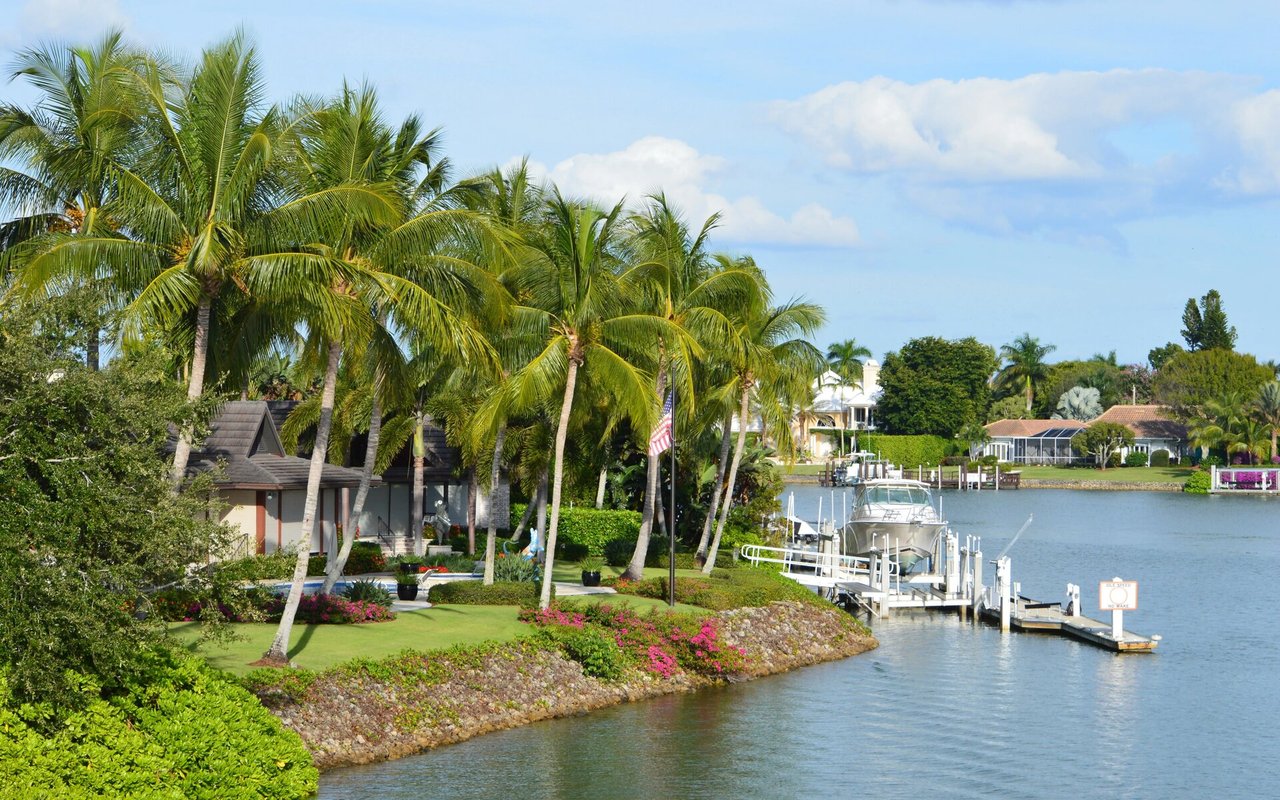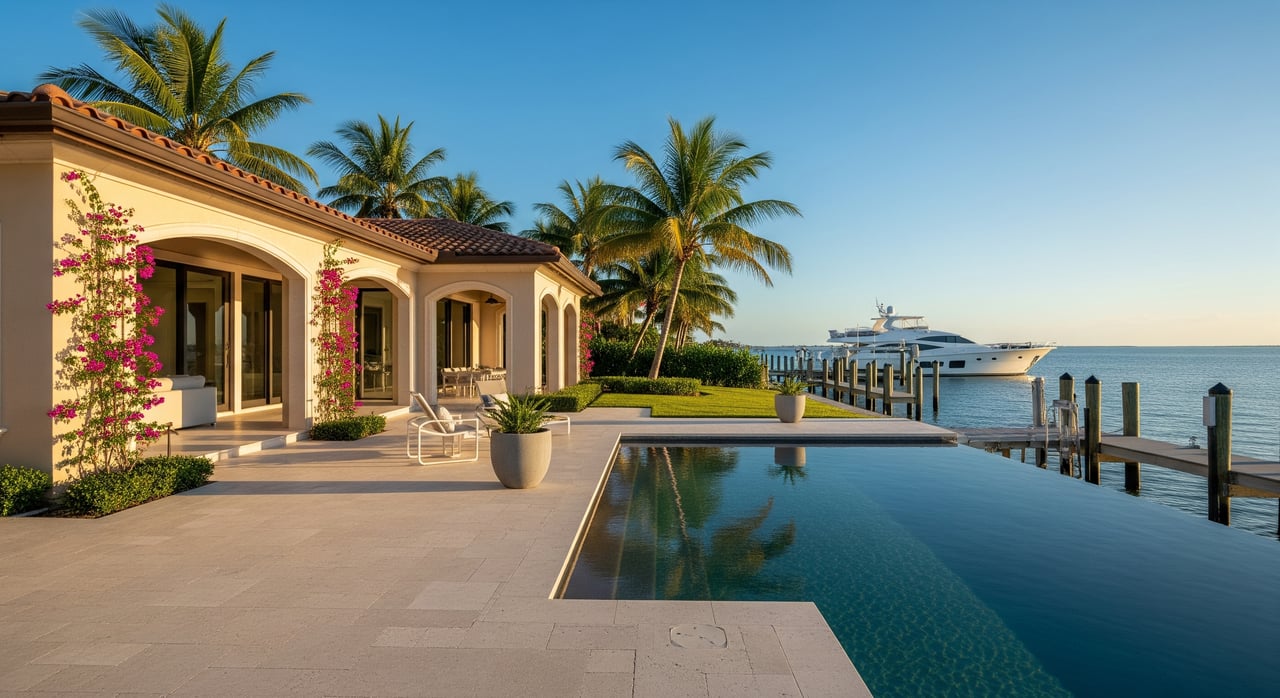
Thinking about when to make a move in Naples’ luxury market? Timing is not just a nice-to-have here, it shapes buyer traffic, days on market, and how much leverage you hold. Whether you are planning to list a beachfront condo or buy a golf community estate, understanding seasonality helps you act with precision and confidence. In this guide, you will learn how the calendar affects inventory, pricing, and negotiation dynamics across Naples and Collier County, plus practical steps to time your next move. Let’s dive in.
What luxury means in Naples
Luxury is not one fixed number. Locally, the luxury tier often maps to the top 5 to 15 percent of prices and varies by neighborhood. It helps to think in bands because buyer pools and timelines are different at each level.
- $1–2M: entry luxury with the largest buyer pool
- $2–5M: core luxury with strong seasonal demand
- $5M+: upper luxury and trophy assets with longer search cycles
To understand seasonality, track these metrics month by month and year over year:
- Active inventory and new listings
- Pending and closed sales
- Median sale price and price per square foot
- Days on market and median time to contract
- Months of supply
- Percent cash sales and buyer origin mix
The seasonal calendar at a glance
Winter season: Nov–Apr
Winter is the showcase window. Buyer traffic and showings are highest between January and March. Seasonal residents, out-of-state visitors, and international buyers concentrate activity, which often shortens time to contract for well-priced listings and tightens negotiations on prime properties.
Shoulder months: May and October
May marks a taper in activity as seasonals depart. October is a strategic listing month as sellers position for the winter influx. Pricing and days on market tend to normalize compared with peak months.
Off-season summer: Jun–Sep
Summer typically brings a slower pace. Inventory often feels deeper relative to demand, showings are lighter, and sellers use price adjustments or concessions more readily to meet the market. For buyers, this period can offer more choice and negotiating room.
How deals time across the calendar
Many luxury contracts are written in winter and close weeks or months later, often landing in late winter, spring, or early summer. Sellers who want to capture peak showings often list in October through December to be market-ready for the November to March audience.
What changes by metric
Inventory patterns
Inventory tends to be leaner in winter as seasonal owners occupy homes and some hold listings until peak demand arrives. Late spring and summer often see inventory rebuild. The size of that swing changes year to year based on interest rates, new-construction deliveries, and broader economic conditions.
Buyer traffic and mix
Winter draws more out-of-state and international buyers, second-home purchasers, and investors who value seasonal rental potential. In summer, local and opportunistic buyers are a larger share of tours and offers, and cash remains common across luxury segments.
Pricing and concessions
In winter, concentrated demand can push strong properties closer to list price, especially in beachfront or premiere condo submarkets. In summer, you may see more room to negotiate, including price reductions or seller concessions, depending on the property and band.
Days on market and months of supply
Luxury homes typically post longer timelines than the broader market because the buyer pool is smaller. During season, time to contract often tightens for high-appeal listings. Months of supply tends to be lower in winter and higher in summer, which shifts leverage between sellers and buyers.
Submarkets and price bands
Beachfront and Gulf-front condos
Beachfront single-family and high-rise Gulf-front condos draw intense winter attention from out-of-area buyers. Limited supply and prime views support faster movement in season when pricing is aligned with the market.
Golf and club communities
Communities in Pelican Bay, Bay Colony, Park Shore, and Downtown Naples-adjacent neighborhoods attract a blend of seasonal and year-round owners. Amenities keep interest steady, but the clearest surge in showings still occurs in winter.
Bayside and inland estates
Bayside and inland luxury estates show wider price dispersion and longer search cycles. Off-season can be productive here for buyers who want to negotiate on uniqueness, lot size, or customization scope.
New construction and developer releases
Developer product enters the market based on build and release schedules. Interest often spikes in season when models open and marketing ramps up, but deliveries can add inventory mid-year as well.
Seasonality by price band
- $1–2M: more seasonally sensitive with brisker turnover in winter and higher summer negotiating potential.
- $2–5M: strong winter activity, still benefits from shoulder-month positioning.
- $5M+: smaller, global buyer pool where timing is important, yet asset uniqueness, privacy needs, and travel calendars often dictate the pace.
Market drivers to watch
- Seasonal population flows: Snowbird patterns drive showings and open-house traffic in winter.
- International and currency cycles: Canadian and European interest can amplify winter demand, influenced by travel conditions and exchange rates.
- Financing environment: Rate shifts affect urgency and participation for financed buyers, while cash share in luxury can cushion demand.
- Local supply constraints: Limited beachfront land and zoning keep premium inventory tight, which can magnify seasonal demand for existing listings.
Timing playbooks
Seller checklist by season
- Position your listing in October–December to meet peak showings from November through March.
- If you prefer a lower-traffic process, consider a summer launch and be ready to weigh price and concessions against convenience.
- Complete staging, maintenance, and editorial-quality photography in late summer so your listing is fresh for fall.
- Align open houses and private events with winter travel periods for maximum visibility.
Buyer checklist by season
- Start monitoring listings by October if you plan winter visits. Have proof of funds or a jumbo pre-approval ready.
- For more options and negotiating room, shop in June–September. Tour broadly and be patient as you compare.
- During peak season, act decisively on well-positioned properties. Pre-arrange inspectors, appraisals, and insurance quotes to support a clean offer.
Example timelines
- Seller plan: List mid-October, target peak showings November through February, negotiate December through March, close February through May.
- Buyer plan: Begin scouting in June, write offers in July or August, use leverage from higher months of supply, and be prepared for a longer negotiation window.
Preparation tips
- Sellers: Confirm vendor availability for repairs, landscaping, and staging before fall. Finalize brand-level marketing assets early.
- Buyers: Select an agent team and lender, organize documents, and identify inspection pros so you can move quickly when the right property appears.
How to track the market
To read seasonality in real time, review monthly reports and confirm definitions. Focus on:
- Active inventory, new listings, pendings, and closed sales for the last 12 to 24 months
- Median days to contract and months of supply by price band
- Cash share of sales and buyer origin where available
- Submarket reads for Naples neighborhoods such as Olde Naples, Pelican Bay, Port Royal, Bay Colony, Park Shore, and Aqualane Shores
Comparing the same month year over year helps you separate normal seasonal swings from one-off spikes. Use a multi-year view to see what is typical versus exceptional.
Your next step
If you want a quiet, efficient sale or a targeted search with access to the right opportunities, align your plan with the calendar and the submarket dynamics that matter for your property band. For a discreet strategy session tailored to your goals, request a private consultation with Jessica Higdon (FL).
FAQs
When is the best time to sell a Naples luxury home?
- Typically list in October through December to capture peak winter buyer traffic from November through March.
When do luxury homes in Naples sell fastest during the year?
- The shortest time to contract often occurs in January through March for well-priced homes in high-demand submarkets.
Is there usually a discount for buying luxury in summer?
- Buyers often see more negotiating room from June through September due to lighter traffic and higher months of supply.
How do price bands change seasonality in Naples?
- The $1–2M band is most seasonally sensitive, $2–5M remains strong in winter with shoulder-month opportunities, and $5M+ depends more on asset uniqueness and buyer travel schedules.
Do international buyers affect the winter season in Naples?
- Yes, out-of-state and international interest, including Canadian and European buyers, tends to amplify winter demand, though intensity varies by year.
What metrics should I track to understand timing in Naples?
- Watch active inventory, new listings, pending and closed sales, median days to contract, months of supply, cash share, and submarket snapshots by neighborhood and price tier.